
Creating a portrait is more than just capturing a likeness — it’s about preserving a moment, a memory, and the personality of your loved one. Many clients ask me, “Which photo should I use for a portrait?” The right photo makes all the difference in creating a piece that truly comes alive. In this post, I’ll share tips to help you choose the best reference image for your portrait commission.
1. Choose a Clear, High-Resolution Photo
Portraits are based on details — facial expressions, eyes, hands, clothing, and posture. A clear, high-quality image gives the artist the best foundation to capture every nuance. Avoid blurry or low-resolution photos if possible.
2. Pick a Photo That Reflects Personality
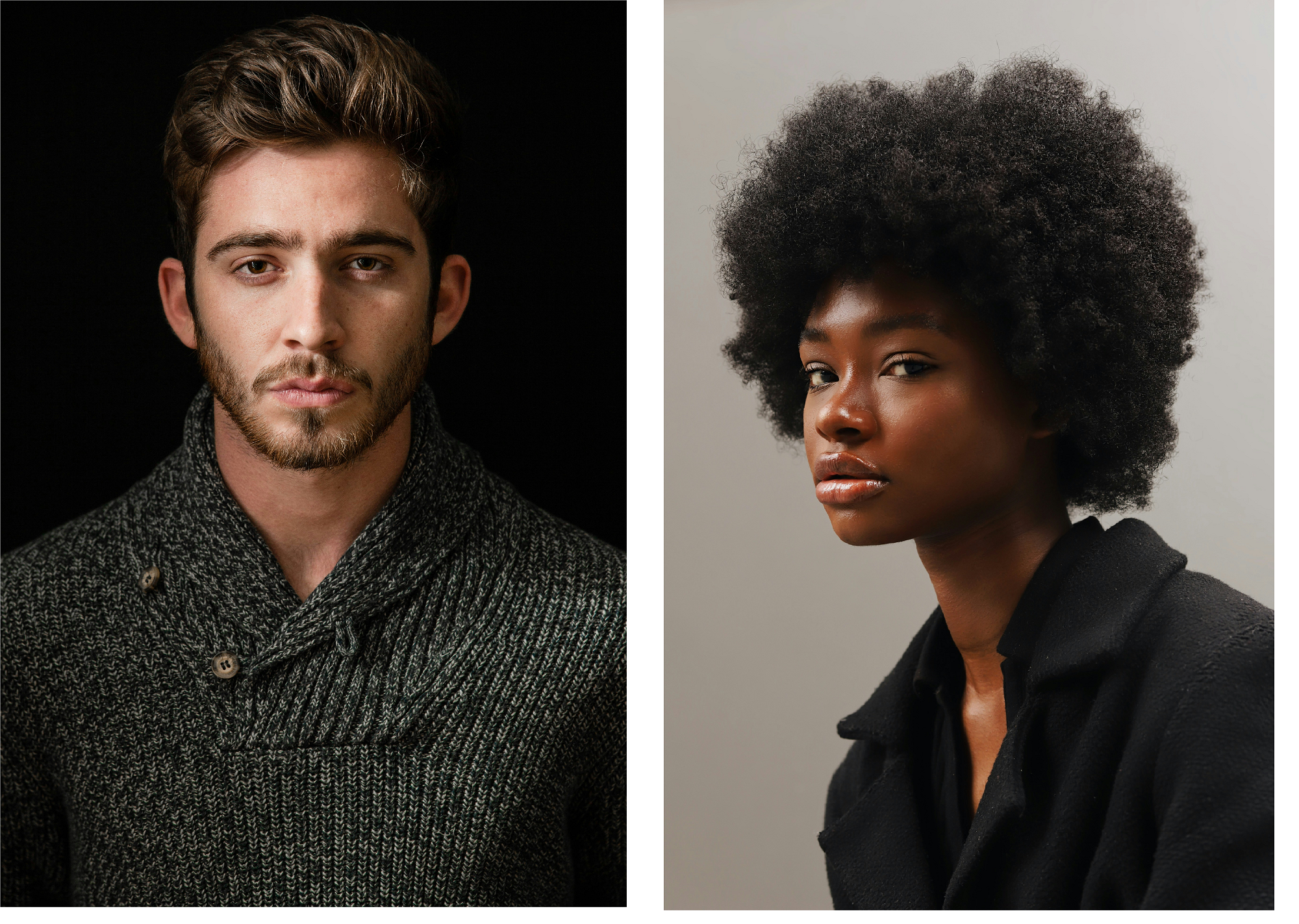
Think about what makes your loved one unique. Are they playful, serious, thoughtful, or full of energy? The expression and pose in the photo should reflect that personality. Sometimes candid shots work better than posed ones — they capture the true essence of the person.
Many portrait artists favor stark light and dark contrasts with misty, blurred backgrounds that highlight the subject. I prefer to paint the full, natural background, omitting only elements that distract from the subject.
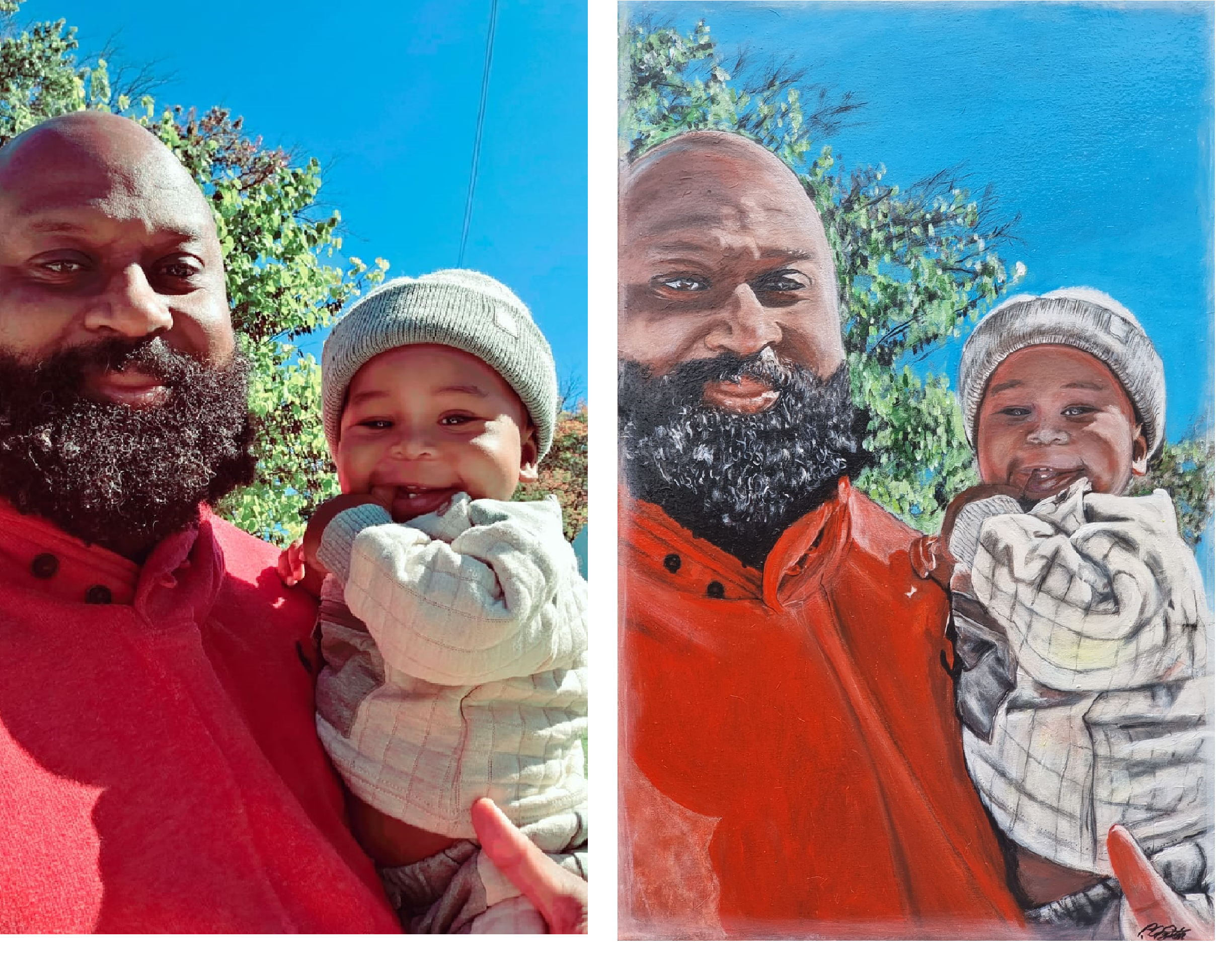
My take on this grandfather and grandson. Natural background, minus the wire in the sky.
3. Consider Lighting and Composition
Natural, soft lighting is ideal. Harsh shadows or overexposed areas can obscure important details. Pay attention to the composition — simple backgrounds are easier to translate into a portrait. But don’t worry if the background isn’t perfect; I can adapt it creatively.
4. Multiple Photos Can Help
If you’re unsure which photo to use, send multiple options. Sometimes a combination works best: one for the face, another for the hands, or a different pose for reference. This gives me the flexibility to create a portrait that captures your loved one fully.
5. Trust the Artist
Even if your photo isn’t perfect, a skilled portrait artist can make adjustments, enhance lighting, or subtly modify composition to create a portrait that feels alive. Your photo is the starting point; the final painting will be much more than the original image.
Conclusion
Choosing the right photo is the first step toward a portrait that will be cherished for generations. If you have questions or would like guidance on selecting the perfect photo, feel free to reach out — I’m always happy to help.
